Z.O.V.
(Zone of Visibility)
 

Distance flasher can be seen presents


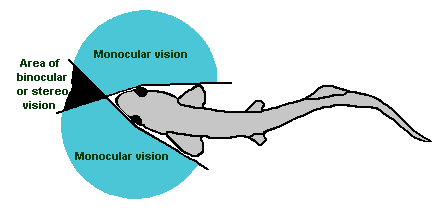
Trying to explain precisely what a fish can, or cannot see will never be scientifically proved 100%.  Fishing is the ultimate unsolved mystery that will last thru the ages.

I have came up with some general accepted guidelines after many hours of searching the web.

Understanding what a fish can see is the first step to remove the fishing part of the equation from catching.


Covering Massive Amounts of Water


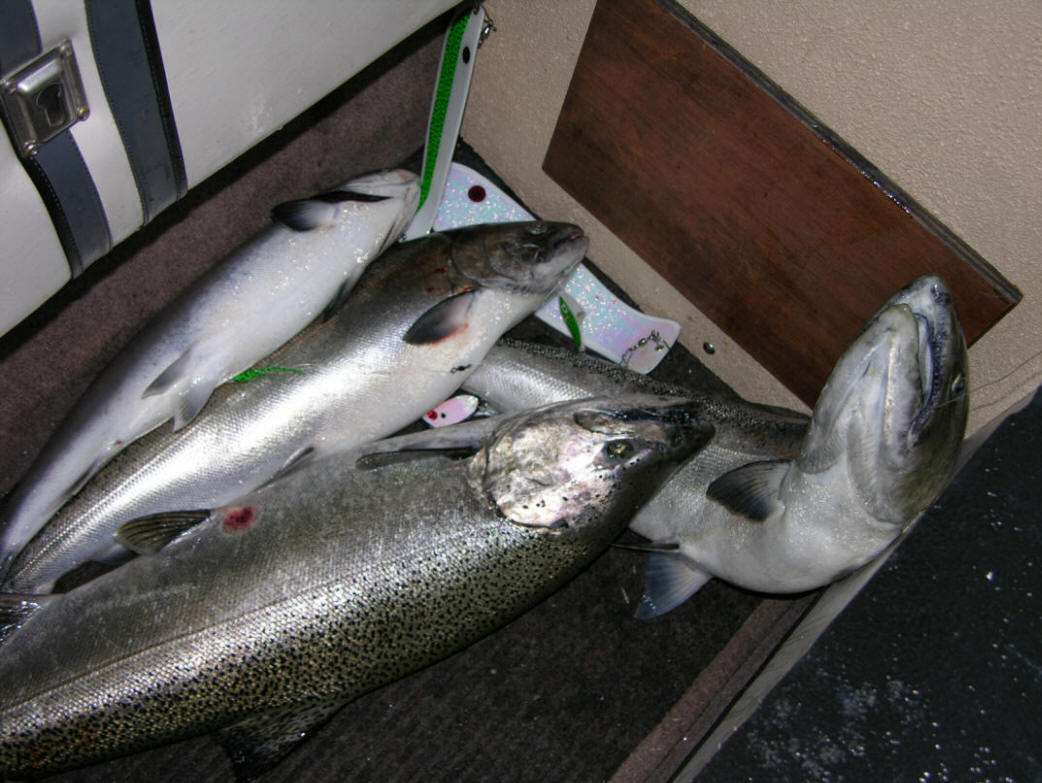
7/26/10 Manistee Quad


5/5/09 New Buffalo Triple


Attractors cover massive amounts of water when compared to other types of lure presentations. 
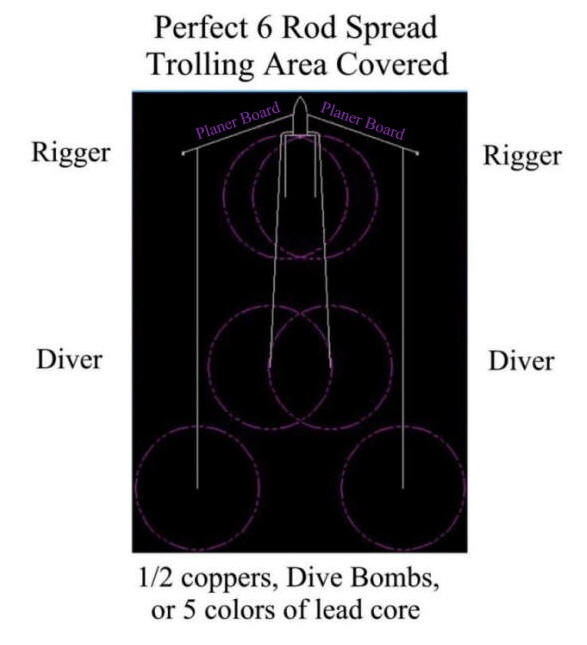
There will be no blank zones in the path you're trolling where the fish cannot see, or be drawn into your spread.  Spread for the uniformed is about the number and types of rods you have in the water.  Downriggers, divers, and trailing presentations like lead core, or copper lines are all part of a "spread."

Always keep in mind, more rods do not equate to more fish, because an overloaded ill conceived spread will actually work against you.  There is a delicate balance when enough, is enough.  Maybe pretty put, it don't take lot's of rods to catch a lot of fish.  6 active rods will out fish 12 rods not getting bit any day of the week.

Using these three styles ensures your trolling swathe leaves no stone unturned.  Making for a deadly triple barreled approach to hoodwink Mr. Fish into biting.

The square footage 160' by 180' being covered my flashers and meat meats


Firt thing a fish has to do is see your offering, then smell and water distrubance come into play before the joy of fish on is gonna happen.


RPMs
(reflections per minute)

Reflections per minute is your rotating flasher's instant messaging system to the fish and all control by your trolling speed. Mass is a big part of the flash-reflection. Much like a handheld signaling mirror that can send Morse code dots and dashes over long distances. How fast, or how many reflections per minute is based solely on trolling speed.  The sweet spot in any attractor program is generally 1.8 to 2.2 miles per hour. Any faster will cause major

Point of Reference


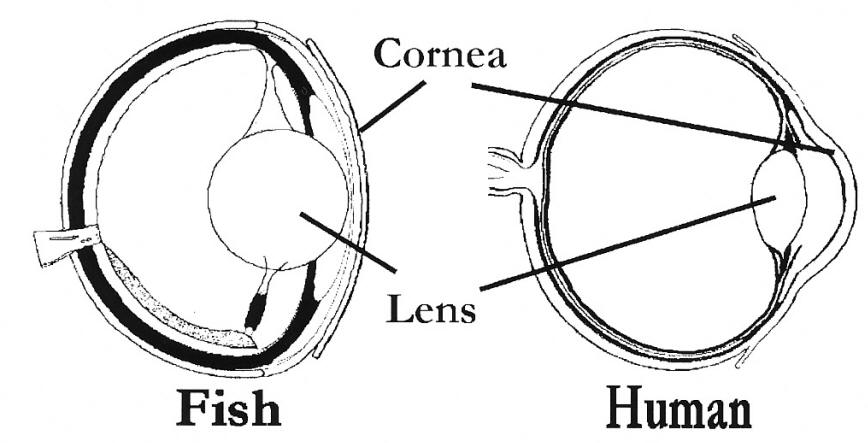
Fish vs. Human Eye

Visual Range Man vs. Fish

Entity

Horizontal

Vertical

Binocular

Man

154°

150°

25°

Fish

165°

134°

12°


The Big 3?
(tripartite reasoning)

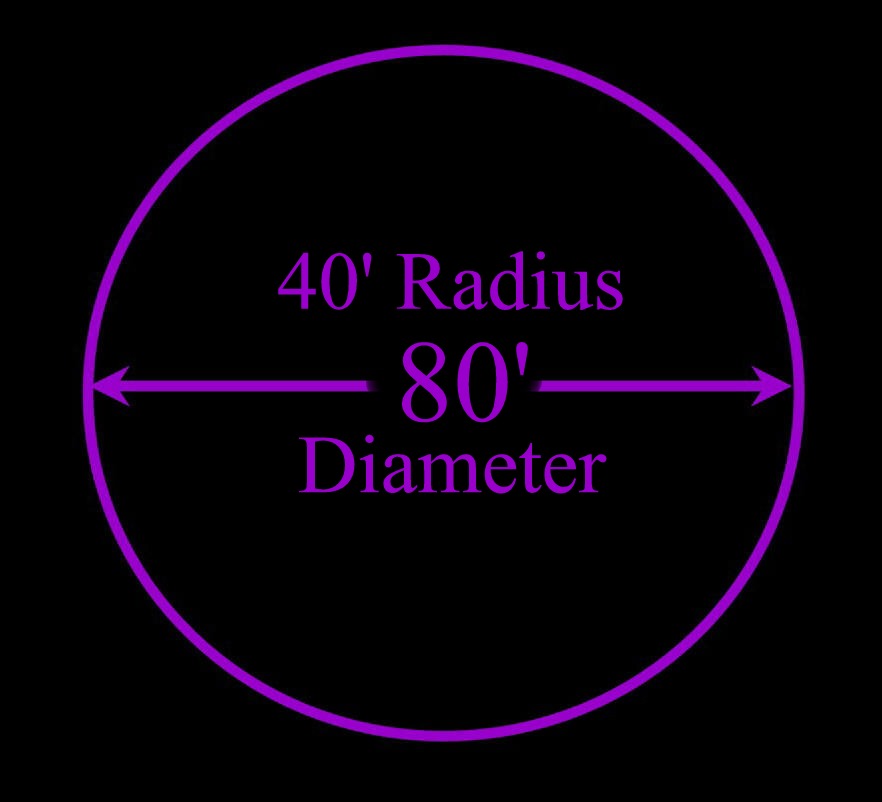
1. There's 3 of attractions that draw fish into your trolling spread. Sight is the first one as Mr. Fish catches a glimpse of flasher from distances probably a lot further than my estimated 40'. There's more to this 40' number, because your flasher/meat rig is in the center of a 80' sphere. That equates to mind boggling 9929 cubic yards in an 80 foot visibility globe you can call fish in with just one 10 and 12 inch flashers. This is a confidence builder for those on the fence not fully committed to an attractor/meat program.

Even if we subtract half of this liquid orb, because fish we target do not look downward. 6 of my flashers are still have draw power to pull fish that over 29,700 cubic yards of water. That's one helluva effective trolling zone. The amount of cubic water you can sift thru in just a few hours is in the millions. Beauty of this? ...is all you need is one decent Salmon fish willing bite and they only occupies about one of these cubic yards of water.
 

2.

Fish have moveable eyes.


that can sight, water movement and scent.
Explaining why I catch, but do not mark many on the graph.
 

Visual acuity well developed.
 

Why fish bite?


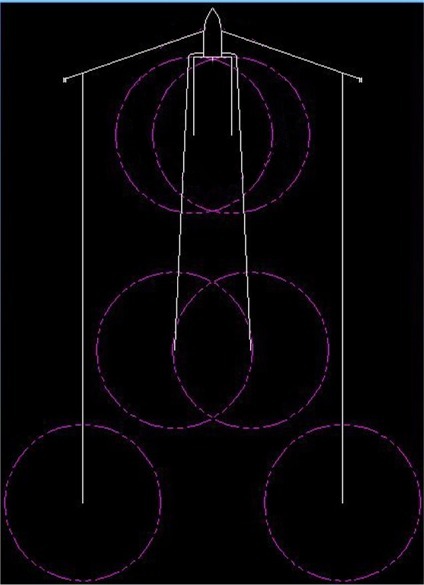
Overlapping Spheres of Influence

What Works, ...Works


Glass ceiling


Conservative estimate is 40'. That's how far down I can see one of my flashers
working from the surface.


Overlapping zones of influence

1/3/2012 article beginning.
MichiganSportsman Copyright©1999-2012